 北
SK Hynix to Increase HBM4 Output as 3-Year Supply Already Sold Out
Cheonju plant line expansion using idle space; Moody's forecasts memory boom to continue next year
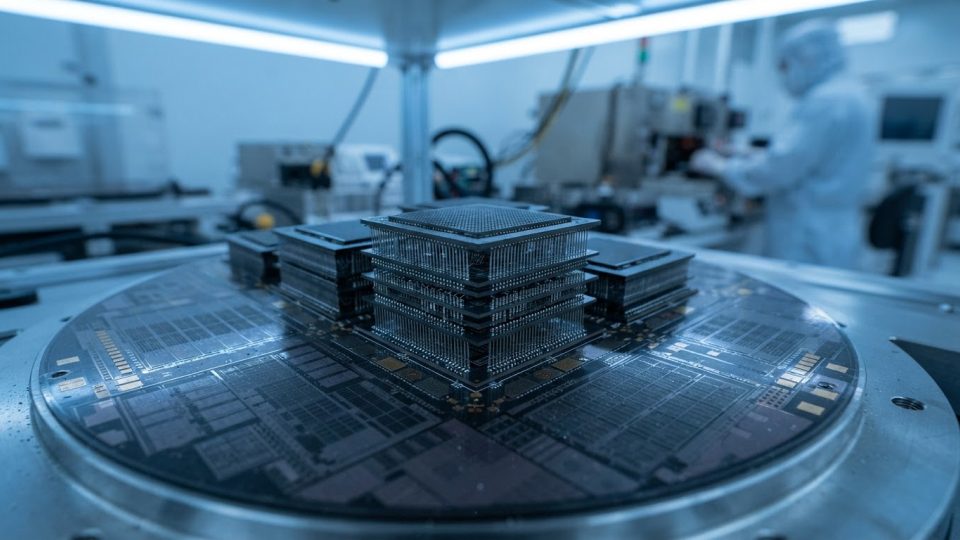
- SK Hynix places additional orders for HBM4 back-end equipment with goal of installation by H1 2027
- 3-year production volume of DRAM and HBM essentially sold out
- Moody's: AI demand robust while supply limited, favorable environment for memory makers
SK Hynix is expanding its production capacity for sixth-generation high-bandwidth memory (HBM4). Despite market volatility stemming from Nvidia's management uncertainties, demand for AI semiconductors itself remains resilient.
According to industry sources, SK Hynix has placed additional orders for HBM4 back-end equipment with a target installation date of H1 2027. The company is expanding production lines by utilizing idle space at its Cheonju P&T6 facility, and the industry estimates that full operation would add monthly wafer production capacity of over 20,000 units.
Not fixated on Nvidia alone
The company has consistently stated that its DRAM and HBM production volume for the next three years has been essentially sold out. Rising AI semiconductor demand from Nvidia competitors such as AMD and Broadcom is also behind the capacity expansion. Tech giants including Google, Microsoft, Amazon, and Meta are expanding their own AI chip development, broadening the customer base.
International credit rating agency Moody's also said in a recent report that while AI-related demand remains at elevated levels, supply expansion is limited, creating a favorable environment for memory companies to continue. Samsung Electronics and SK Hynix both posted record quarterly results in their memory segments last quarter.
However, smaller semiconductor design companies (fabless) face the opposite dilemma. Big tech companies are securing memory supply through long-term contracts, making it difficult for smaller companies with modest order volumes to obtain memory on time.
Reference: Industry reports (November 13-15), Moody's report coverage (November 21-22)
Join the discussion
Loading discussion…